

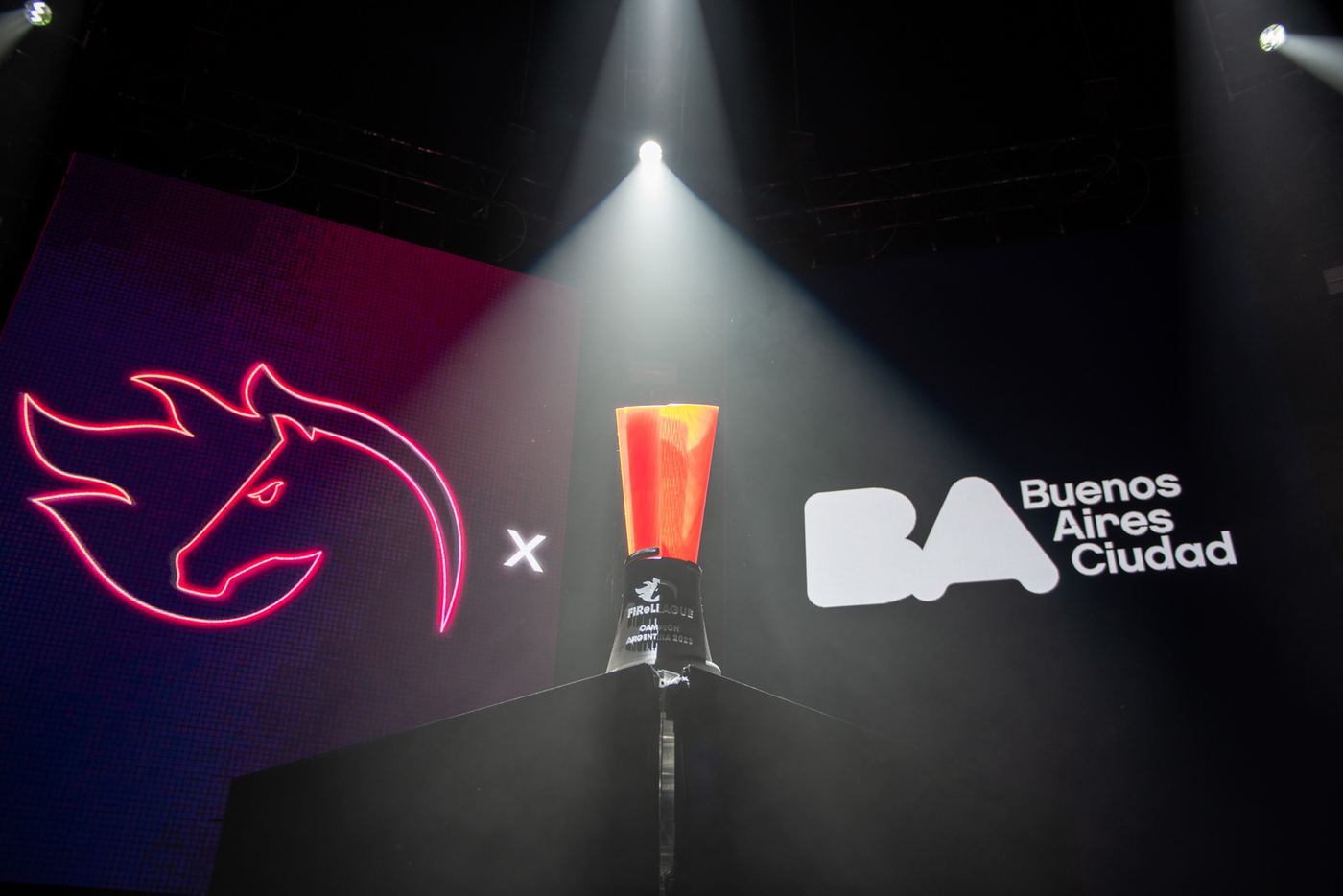
The roar is the first thing that surprises newcomers: thousands of fans on their feet for a play they watched on a screen the size of a building. Purpose-built esports arenas — with their broadcast studios, player tunnels and merchandise concourses — now anchor regular seasons in several world cities, and the biggest finals sell out in hours. What was once a hobby streamed from bedrooms has acquired the full architecture of professional sport, from franchise fees to collective merchandise deals.
The leagues learned from the sports they imitate. Franchising ended the chaos of promotion and relegation for investors; city-based teams gave casual fans a flag to follow; and production values — analysts’ desks, slow-motion replays, storylines cut like television — made the product legible to viewers who have never played the games.
An Audience Advertisers Cannot Ignore
The commercial logic is demographic. Esports audiences skew young, digital and resistant to conventional advertising — precisely the consumers brands struggle to reach anywhere else. Sponsorship money followed, then media-rights deals, then the ancillary economy of coaching, analytics and player agencies. As our blog coverage of entertainment business has tracked, the industry’s total revenue now rivals that of established mid-tier sports leagues, and it is still growing into markets in the Middle East and Southeast Asia where tournaments are state-backed spectacles.
The players’ side of the business is professionalising in parallel: standard contracts, minimum salaries in the top leagues, and the beginnings of player associations asking the questions about careers, burnout and post-retirement life that every young sport eventually faces.
Growing Pains of a Young Industry
The industry has also had its correction. The pandemic-era boom in valuations deflated; teams folded, sponsors consolidated, and a sober phrase — sustainable growth — replaced the gold rush. The survivors run diversified businesses: content studios, education programmes, venue management for hire.
Questions of integrity keep pace with the money. Match-fixing and cheating software are the sport’s doping problem, policed by integrity bodies modelled on those of traditional sport. Publishers who own the games themselves remain the industry’s unique power — a league whose playing field is private property, updated by its owner each season.
The arena itself has become a business worth studying. The best venues are designed for conversion — concert one night, final the next, corporate expo the third — with broadcast infrastructure permanent rather than hired. Cities have begun competing to host them the way they once competed for stadiums, citing the young visitors who arrive for an event and spend across a weekend. Whether the economics justify the subsidies is a familiar argument in a new jersey. What is not in doubt is the direction of the audience: every year, the crowd that grew up watching games becomes a larger share of the crowd that buys tickets to everything.
None of it has dimmed the arenas. On finals night, with the lights down and the crowd counting down, esports delivers the oldest product in entertainment: the feeling of being there when it happened. The mainstream did not come to gaming. Gaming built its own mainstream, one arena at a time.
