

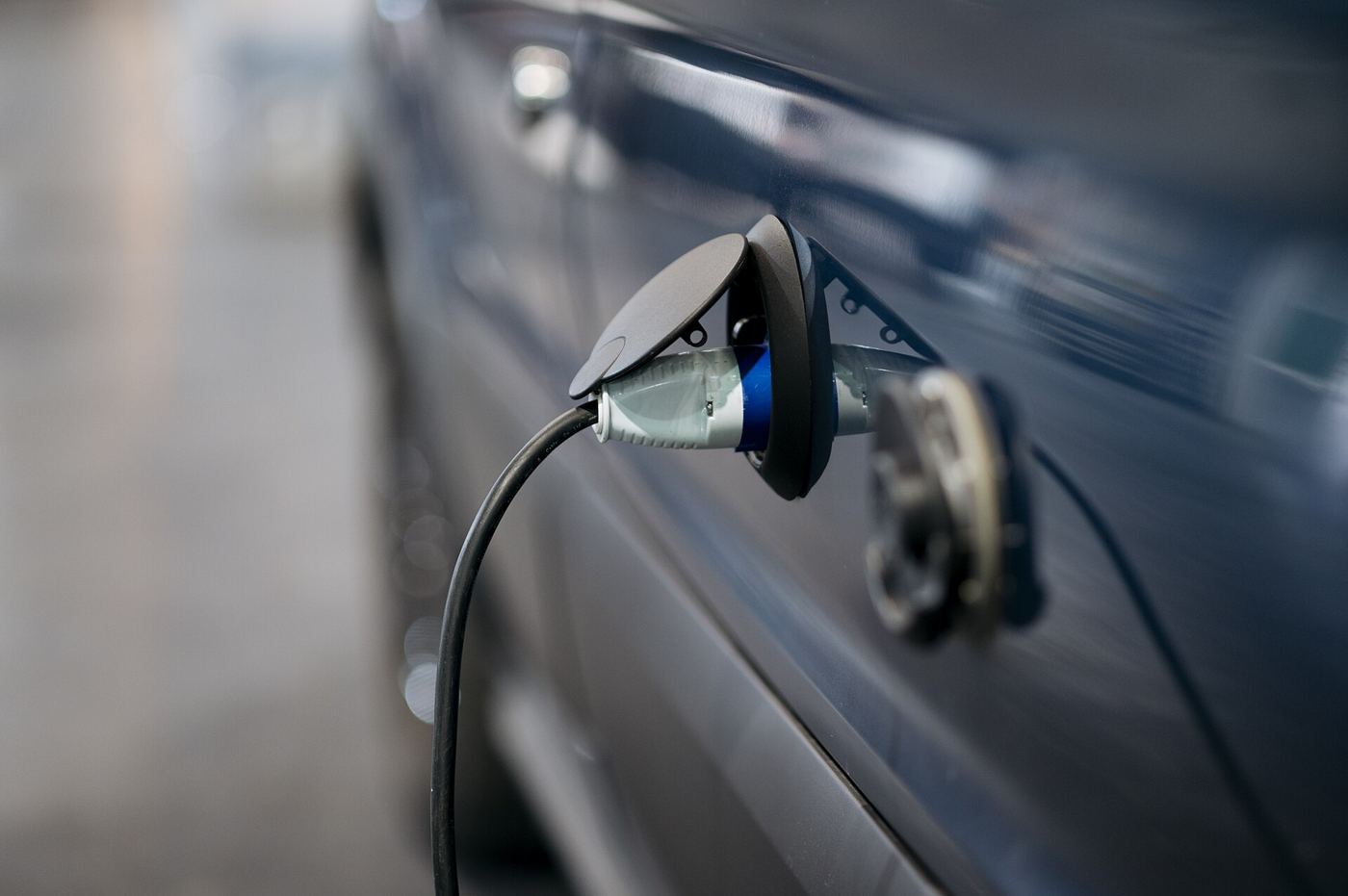
QuantumScape unveiled Osprey, a genuinely new all-solid-state cell design, on 11 November 2026, the first time the company has shown a full solid cell cycling 1,000 times at ordinary pressure. The platform pairs the company’s ceramic separator with a solid sulphide cathode, making a fully solid cell for the first time. The test cells retained about 80 percent capacity after 1,000 full cycles at one atmosphere of pressure. It is the most concrete lab result yet in the solid-state battery race, although the tests used small two-layer cells, not a car pack. Two things happened in November that change how to read every solid-state headline, because QuantumScape’s Osprey is the most concrete lab result yet, while China’s new standard now gives buyers a way to check what counts as all-solid-state.
What the Evidence Shows
No production electric vehicle sold today has a true solid-state battery, and none will for at least another year. QuantumScape’s current shipping QSE-5 sample still uses a liquid catholyte, with only the separator solid. The company targets a 100 megawatt-hour production line from 2028, aimed at data centres and defence rather than cars. Toyota still targets its first solid-state EV for 2027 to 2028, on premium Lexus models first, with full-scale production aimed at 2030. China’s GB/T 43568-2026 standard now defines all-solid-state as under five percent liquid electrolyte. The honest timeline is still Toyota in 2027 to 2028 for a limited, premium-priced first car, with affordable solid-state electric vehicles a 2030s story, so anyone buying in 2026 or 2027 is still buying a lithium-ion car. Reporting and analysis from sources such as IEEE Spectrum track the same developments, and specialists following the QuantumScape Osprey solid-state cell say the direction is now consistent across independent lines of evidence.
The Wider Context
Adoption of the QuantumScape Osprey solid-state cell follows a familiar pattern with an unfamiliar speed. Early users tolerate rough edges in exchange for advantage, mainstream users arrive when the tool disappears into existing workflows, and the market consolidates around whoever made that transition feel effortless. Vendors are racing less on raw performance now than on integration, support and trust.
What Happens Next
The realistic forecast for the QuantumScape Osprey solid-state cell is steady integration rather than sudden replacement: embedded in products people already use, improving in increments, and regulated in proportion to its reach. The companies and institutions that plan on that basis, training staff and redesigning processes instead of chasing launches, are the ones the adoption data tends to vindicate. You can follow related developments in our coverage of technology.
It is also worth remembering how quickly the picture in this area has changed before. Positions that looked settled a few years ago have been revised as new data arrived, and the same humility is appropriate now. The strongest coverage of this subject, and the most useful advice, tends to come from sources that update their views openly when the facts move, rather than defending an earlier position long after it has stopped fitting the evidence available.
