

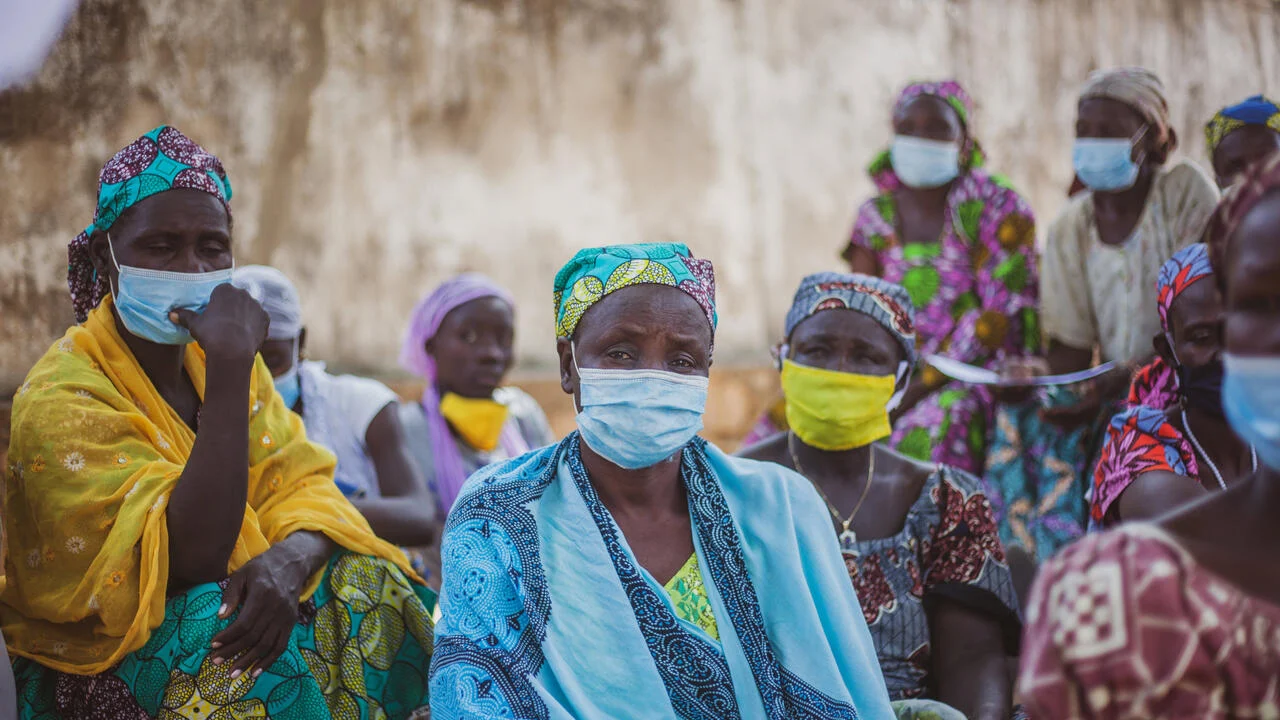
The world is currently facing multiple overlapping challenges that are shaping economies, politics, and everyday life. From rising inflation and energy concerns to geopolitical tensions and climate-related disruptions, the global situation is changing rapidly. Staying informed about these global crisis updates is important for understanding how these events may affect jobs, prices, travel, and future opportunities. This article breaks down the most important developments in a simple and clear way so you can stay aware of what is happening around the world today.
Global Economic Pressure and Market Instability
Inflation Trends and Rising Cost of Living
Inflation continues to be one of the most important global economic challenges. Prices of basic goods, housing, and services have increased in many countries, reducing purchasing power for everyday consumers. Central banks are trying to control inflation through interest rate adjustments, but the effects are still being felt globally. This ongoing pressure is making financial planning more difficult for households and businesses, especially in developing economies.
Energy Prices and Supply Uncertainty
Energy markets remain unstable due to supply chain issues and geopolitical disruptions. Oil, gas, and electricity prices have fluctuated significantly, impacting transportation and manufacturing costs. Many countries are also shifting toward renewable energy sources to reduce dependence on traditional fuels. However, the transition is slow, and short-term energy price volatility continues to affect both consumers and industries worldwide.
Job Market and Economic Uncertainty
The global job market is experiencing mixed signals, with some sectors growing while others slow down. Technology and digital industries continue to expand, but traditional industries face layoffs and restructuring. Companies are becoming more cautious in hiring due to economic uncertainty, making competition for stable jobs more intense. As a result, skill development and adaptability are becoming essential for job seekers.
Geopolitical Tensions Shaping Global Stability
Ongoing Conflicts and Regional Instability
Several regions around the world are facing ongoing conflicts that continue to impact global stability. These tensions affect international trade routes, energy supply chains, and humanitarian conditions. The uncertainty created by these conflicts increases pressure on global markets and contributes to economic instability. International organizations continue to call for diplomatic solutions to reduce long-term risks.
Diplomatic Relations and Global Alliances
Diplomatic relationships between major global powers are constantly shifting. Countries are forming new alliances while re-evaluating old partnerships based on economic and security interests. These changes influence trade agreements, defense cooperation, and international policies. As global competition increases, diplomacy plays a key role in preventing escalation and maintaining balance between nations.
Security and Defense Developments
Global security concerns are rising as countries increase defense spending and strengthen military capabilities. Cybersecurity threats are also becoming more common, targeting both government systems and private organizations. Nations are investing heavily in digital protection and intelligence systems to safeguard critical infrastructure. These developments highlight the growing importance of security in an interconnected world.
Climate and Environmental Challenges Worldwide
Extreme Weather Events and Natural Disasters
Climate-related disasters such as floods, heatwaves, storms, and wildfires are becoming more frequent and intense. These events are causing widespread damage to infrastructure, agriculture, and communities. Scientists link these changes to global warming and environmental degradation. Governments are now focusing more on disaster preparedness and climate adaptation strategies to reduce future risks.
Water and Food Security Concerns
Access to clean water and stable food supplies is becoming a serious global issue. Droughts and unpredictable weather patterns are affecting crop production in many regions. This is leading to higher food prices and increased pressure on supply chains. Water shortages in certain areas are also creating long-term sustainability challenges, especially in densely populated regions.
Global Climate Policies and Sustainability Efforts
Countries around the world are introducing policies aimed at reducing carbon emissions and promoting sustainability. Investments in renewable energy, electric vehicles, and green infrastructure are increasing. However, progress varies widely between nations due to economic and political differences. Global cooperation remains essential for addressing long-term environmental challenges effectively.
FAQs
1. What is a global crisis update?
It refers to important worldwide events affecting the economy, politics, environment, and security.
2. Why is inflation a global concern?
Because it increases the cost of living and reduces purchasing power across many countries.
3. How do geopolitical tensions affect daily life?
They influence prices, job markets, travel, and global trade stability.
4. What are the major climate challenges today?
Extreme weather, water shortages, and rising global temperatures are key concerns.
5. How can individuals stay informed about global crises?
By following trusted news sources and staying updated on international developments.
Conclusion
The world is going through a period of significant change driven by economic pressure, geopolitical shifts, and environmental challenges. These global crisis updates highlight how interconnected modern systems have become and how events in one region can affect the entire world. Staying informed helps individuals and businesses make better decisions in uncertain times. While challenges continue to grow, awareness, adaptation, and global cooperation remain key to building a more stable future.
