

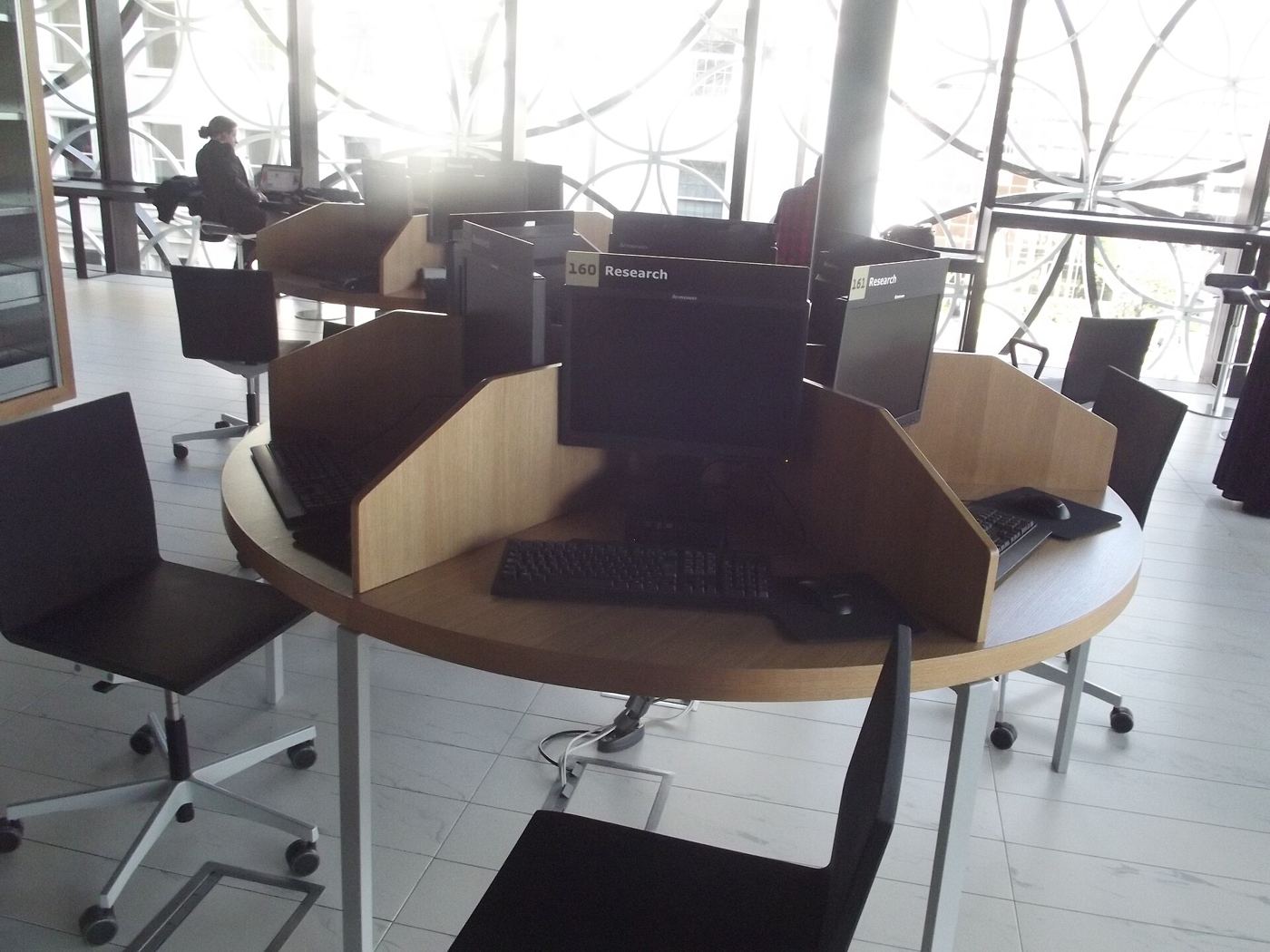
Booking a doctor’s appointment, applying for a job or paying a bill increasingly means doing it online, and for adults who never learned those skills the gap can feel like a locked door. Community computer classes exist to open it. Held in libraries, community centres and church halls, they teach practical tasks rather than theory: sending an email, filling in a form, spotting a scam message, and using video calls to speak with family. The learners are often older adults, new arrivals, or people returning to work after years away, and many arrive nervous about breaking something or looking foolish. Good teachers start slowly, repeat patiently, and let students practise on real tasks that matter to them, such as renewing a prescription or checking a bus timetable. The classes work because they respect the learner’s experience, treating digital skills as one more tool for an already capable adult rather than a test to pass.
What the Evidence Shows
Running these classes well takes more than a room full of computers. Organisers lend devices for home practice, print step-by-step guides in large type, and recruit volunteers who speak the community’s languages. The curriculum changes as services move online, with recent sessions covering online banking safety, government portals and telehealth appointments. Funding is often patchy, coming from councils, charities and occasional grants, and many programmes rely on donated equipment. Yet the results keep funders interested. Follow-up surveys find learners more confident, more likely to apply for jobs online, and better able to stay in touch with relatives. Some go on to further training or volunteer as helpers for the next group, creating a cycle that strengthens the whole community. Instructors say the real measure of success is not a certificate but a learner who no longer needs to ask a relative to do everything online for them. Reporting and analysis from sources such as IEEE Spectrum track the same developments, and specialists following the community computer classes say the direction is now consistent across independent lines of evidence.
The Wider Context
Adoption of the community computer classes follows a familiar pattern with an unfamiliar speed. Early users tolerate rough edges in exchange for advantage, mainstream users arrive when the tool disappears into existing workflows, and the market consolidates around whoever made that transition feel effortless. Vendors are racing less on raw performance now than on integration, support and trust.
What Happens Next
The realistic forecast for the community computer classes is steady integration rather than sudden replacement: embedded in products people already use, improving in increments, and regulated in proportion to its reach. The companies and institutions that plan on that basis, training staff and redesigning processes instead of chasing launches, are the ones the adoption data tends to vindicate. You can follow related developments in our coverage of technology.
It is also worth remembering how quickly the picture in this area has changed before. Positions that looked settled a few years ago have been revised as new data arrived, and the same humility is appropriate now. The strongest coverage of this subject, and the most useful advice, tends to come from sources that update their views openly when the facts move, rather than defending an earlier position long after it has stopped fitting the evidence available.
