

Artificial Intelligence is no longer just a futuristic idea—it is already shaping how we work, communicate, and build businesses. From smart assistants to automated systems, AI is evolving rapidly, and the next wave of innovation will completely transform industries. In this article, we will explore the next big thing in AI and the emerging technologies that are expected to dominate the future, making life faster, smarter, and more connected.
Generative AI and Creative Intelligence
Advanced Content Generation Systems
Generative AI is becoming one of the most powerful forces in modern technology. It can create text, images, videos, and even code with minimal human input. The next generation of generative AI will be more accurate, context-aware, and capable of producing highly personalized content. This will significantly impact industries like marketing, education, and entertainment by reducing production time and increasing creativity.
AI-Powered Design and Media Creation
In the future, AI will play a major role in design and media production. Instead of relying only on human designers, businesses will use AI tools to generate logos, video ads, and digital art in seconds. This will make creative work more accessible and cost-effective, especially for small businesses and startups looking to scale quickly.
Human-Like Content Personalization
One of the biggest advancements in generative AI is personalization. Future systems will understand user behavior, preferences, and emotional tone to deliver highly customized content. This means websites, apps, and digital platforms will adapt in real time to each individual user, improving engagement and user experience.
Autonomous AI Systems and Decision Making
Self-Learning AI Models
Autonomous AI systems are designed to learn and improve without constant human supervision. These systems analyze data, adapt to changes, and make decisions based on real-time information. In the future, they will become more reliable and will be used in complex environments like finance, healthcare, and logistics.
AI in Business Automation
Businesses are rapidly adopting AI to automate repetitive tasks such as customer support, data analysis, and scheduling. The next phase of AI automation will go beyond simple tasks and handle strategic decision-making. This will help companies reduce costs, improve efficiency, and focus more on innovation.
Real-Time Adaptive Systems
Future AI systems will be able to respond instantly to changing conditions. Whether it is adjusting supply chains or optimizing energy usage, these adaptive systems will improve performance across industries. Their ability to make fast, data-driven decisions will be a key advantage in a competitive market.
AI Integration in Daily Life and Society
Smart Personal Assistants Evolution
AI personal assistants are becoming more advanced and conversational. In the future, they will not only answer questions but also manage schedules, predict needs, and offer proactive suggestions. These assistants will become deeply integrated into smartphones, homes, and wearable devices.
AI in Healthcare Transformation
Healthcare is one of the biggest areas where AI will have a long-term impact. Advanced AI systems will help in early disease detection, personalized treatment plans, and real-time patient monitoring. This will improve accuracy, reduce medical errors, and make healthcare more accessible globally.
AI-Driven Smart Cities
Smart cities powered by AI will optimize traffic systems, energy consumption, and public services. With real-time data analysis, cities will become more efficient and sustainable. AI will help governments make better decisions that improve urban living conditions and reduce environmental impact.
Ethical AI, Safety, and Human Collaboration
Responsible AI Development
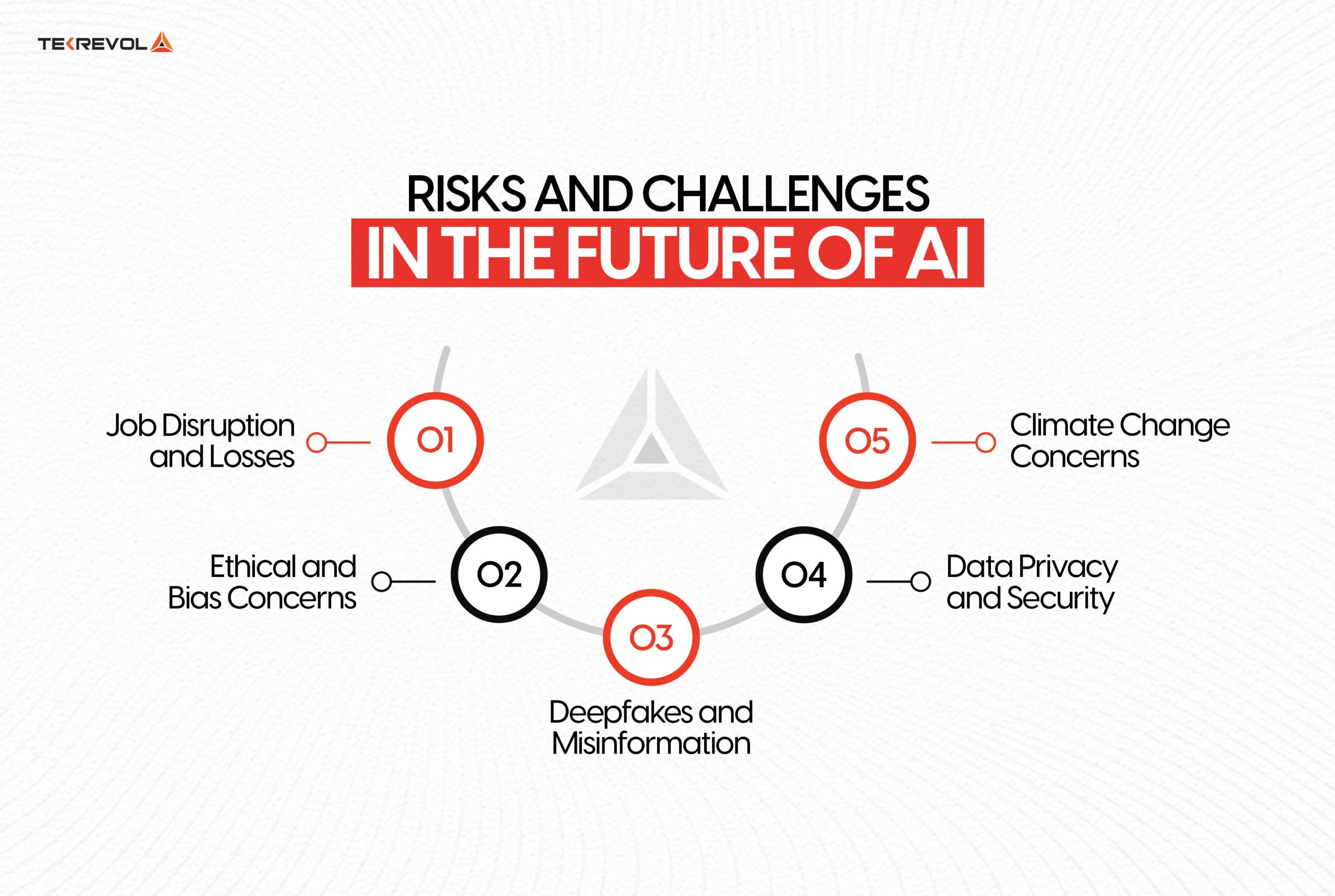
As AI becomes more powerful, ethical development will become extremely important. Companies will need to ensure transparency, fairness, and accountability in AI systems. Responsible AI practices will help prevent misuse and build trust among users.
AI and Human Collaboration Models
The future of AI is not about replacing humans but working alongside them. AI will enhance human productivity by handling complex calculations and repetitive tasks while humans focus on creativity and decision-making. This collaboration will reshape modern workplaces.
AI Regulation and Global Standards
Governments and organizations are already working on AI regulations. In the future, global standards will be established to ensure safe and ethical AI usage. These regulations will guide how AI is developed and deployed across industries worldwide.
FAQs
1. What is the next big thing in AI?
Generative AI, autonomous systems, and AI integration into daily life are expected to dominate the future.
2. How will AI change jobs in the future?
AI will automate repetitive tasks but also create new job opportunities in technology and innovation fields.
3. Is AI dangerous for humans?
AI is safe when developed responsibly with proper regulations and ethical guidelines.
4. Which industries will benefit most from AI?
Healthcare, education, finance, marketing, and transportation will benefit significantly.
5. Will AI replace human workers completely?
No, AI is designed to assist humans, not fully replace them.
Conclusion
The next big thing in AI is not just one technology but a combination of generative systems, autonomous intelligence, and real-world integration. These innovations will reshape industries, improve daily life, and redefine how humans interact with machines. As AI continues to evolve, the key to success will be adaptation, responsible use, and continuous learning in this fast-changing digital world.
