

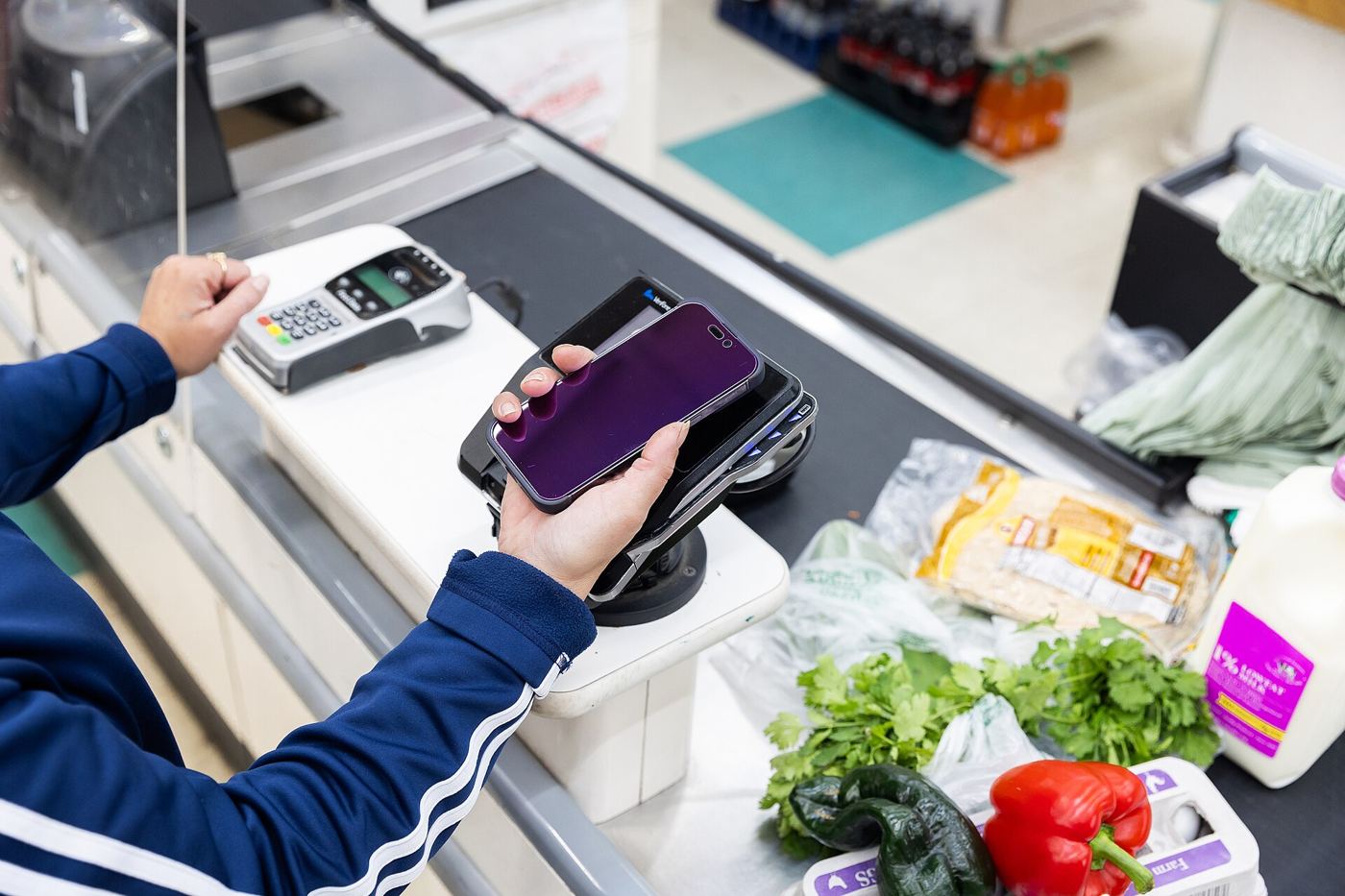
OpenAI has launched ChatGPT Wallet, a payment system that lets AI agents buy things on a user’s behalf without ever seeing the real card number. The company announced the feature on 13 November 2026, describing it as a way to let agents complete purchases while keeping payment details private. When an agent needs to pay, the user approves the purchase with a biometric check, such as a fingerprint or face scan, and the wallet supplies a token instead of the card itself. The launch is part of a wider push to turn chatbots from advisors into agents that can carry out tasks in the real world, from ordering groceries to booking travel. OpenAI says the design is meant to give users control, so an agent cannot spend money without explicit approval for each purchase.
What the Evidence Shows
The wallet matters because agentic shopping raises new risks, with an AI system potentially ordering the wrong item, paying the wrong price or being tricked by a malicious website. A payment token that hides the real card number limits the damage if a merchant is compromised, and biometric approval keeps the human in the loop for every transaction. The feature also opens a new business for OpenAI, which could take a share of purchases made through its chatbot. Retailers and payment companies will be watching closely, because a chatbot that can shop for millions of users could become a powerful new storefront. The next test is whether shoppers trust an agent enough to let it spend their money, even with approval checks in place, and whether merchants adapt their websites for agent buyers. Reporting and analysis from sources such as IEEE Spectrum track the same developments, and specialists following the ChatGPT Wallet payment system say the direction is now consistent across independent lines of evidence.
The Wider Context
Adoption of the ChatGPT Wallet payment system follows a familiar pattern with an unfamiliar speed. Early users tolerate rough edges in exchange for advantage, mainstream users arrive when the tool disappears into existing workflows, and the market consolidates around whoever made that transition feel effortless. Vendors are racing less on raw performance now than on integration, support and trust.
What Happens Next
The realistic forecast for the ChatGPT Wallet payment system is steady integration rather than sudden replacement: embedded in products people already use, improving in increments, and regulated in proportion to its reach. The companies and institutions that plan on that basis, training staff and redesigning processes instead of chasing launches, are the ones the adoption data tends to vindicate. You can follow related developments in our coverage of technology.
It is also worth remembering how quickly the picture in this area has changed before. Positions that looked settled a few years ago have been revised as new data arrived, and the same humility is appropriate now. The strongest coverage of this subject, and the most useful advice, tends to come from sources that update their views openly when the facts move, rather than defending an earlier position long after it has stopped fitting the evidence available.
