

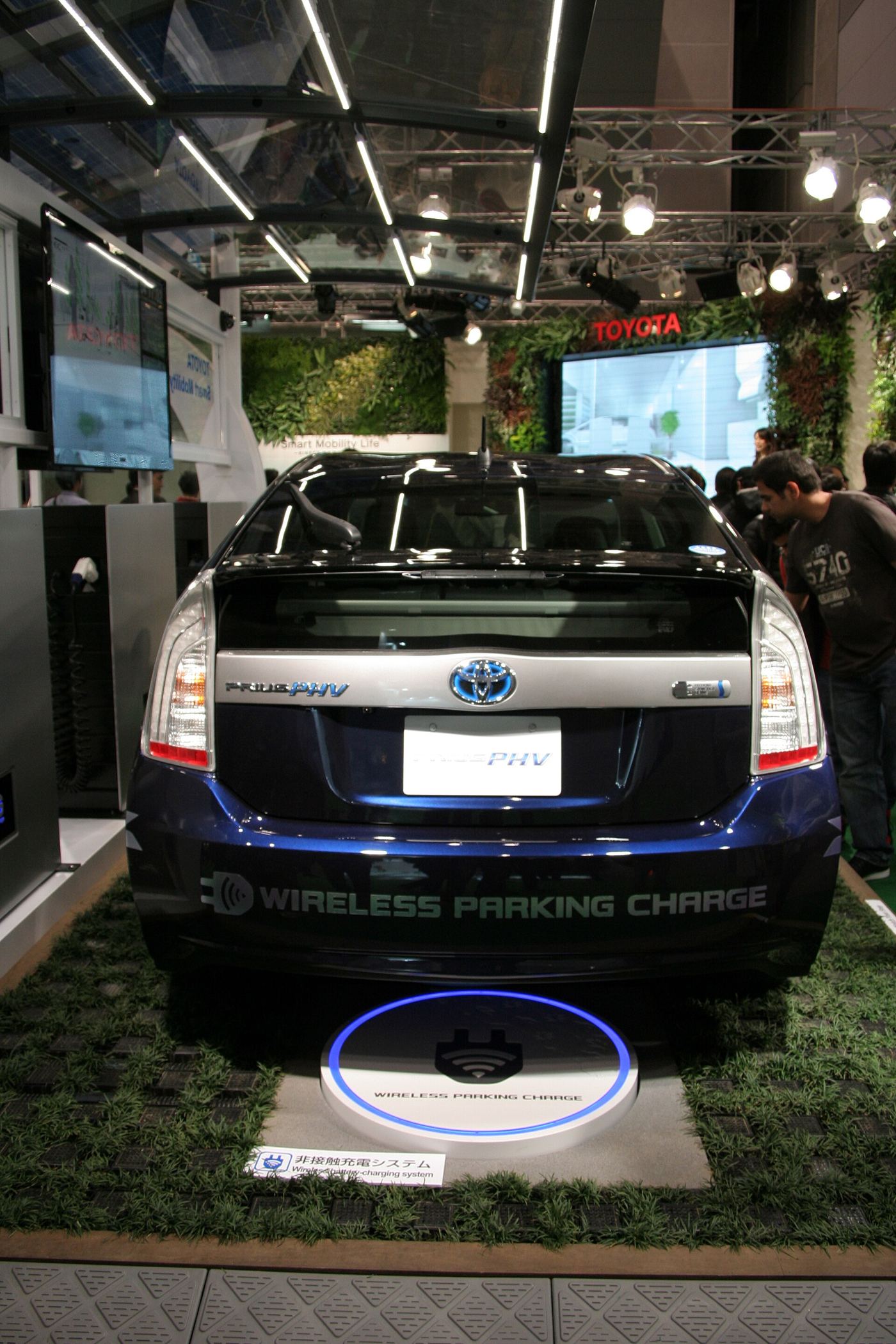
The battery that could transform electric cars has no liquid inside it. Solid-state batteries replace the flammable liquid electrolyte of today’s lithium-ion cells with a solid material, usually ceramic or sulphide, which can store more energy, charge faster and is far less likely to catch fire. Toyota, the world’s largest carmaker, has said it aims to put solid-state batteries into production cars in 2027 or 2028, with driving ranges of more than 1,000 kilometres and charging times of about ten minutes. The promise has drawn billions of dollars: QuantumScape, backed by Volkswagen, shipped its first B-sample cells for automotive testing in late 2024, Samsung SDI has built a pilot production line in South Korea, and Chinese battery giant CATL has demonstrated cells with an energy density of 500 watt-hours per kilogram, roughly double today’s best electric car batteries.
What the Evidence Shows
The technology has been five years away for at least a decade, and sceptics note that making solid-state cells in a laboratory is very different from making millions of them cheaply. The solid electrolyte can crack as the battery charges and discharges, the materials are expensive, and manufacturing at scale has not yet been proven. Even so, the pressure to succeed is intense: longer range and faster charging are the two things that would persuade the most reluctant drivers to switch to electric cars, and governments are offering subsidies to whoever gets there first. Toyota’s timeline will be the test. If its 2027 cars arrive on schedule with the promised range, the electric car market changes overnight. If they slip again, the industry will have to wait a little longer for its next leap. Reporting and analysis from sources such as IEEE Spectrum track the same developments, and specialists following solid-state batteries for electric cars say the direction is now consistent across independent lines of evidence.
The Wider Context
Adoption of solid-state batteries for electric cars follows a familiar pattern with an unfamiliar speed. Early users tolerate rough edges in exchange for advantage, mainstream users arrive when the tool disappears into existing workflows, and the market consolidates around whoever made that transition feel effortless. Vendors are racing less on raw performance now than on integration, support and trust.
What Happens Next
The realistic forecast for solid-state batteries for electric cars is steady integration rather than sudden replacement: embedded in products people already use, improving in increments, and regulated in proportion to its reach. The companies and institutions that plan on that basis, training staff and redesigning processes instead of chasing launches, are the ones the adoption data tends to vindicate. You can follow related developments in our coverage of technology.
It is also worth remembering how quickly the picture in this area has changed before. Positions that looked settled a few years ago have been revised as new data arrived, and the same humility is appropriate now. The strongest coverage of this subject, and the most useful advice, tends to come from sources that update their views openly when the facts move, rather than defending an earlier position long after it has stopped fitting the evidence available.
