

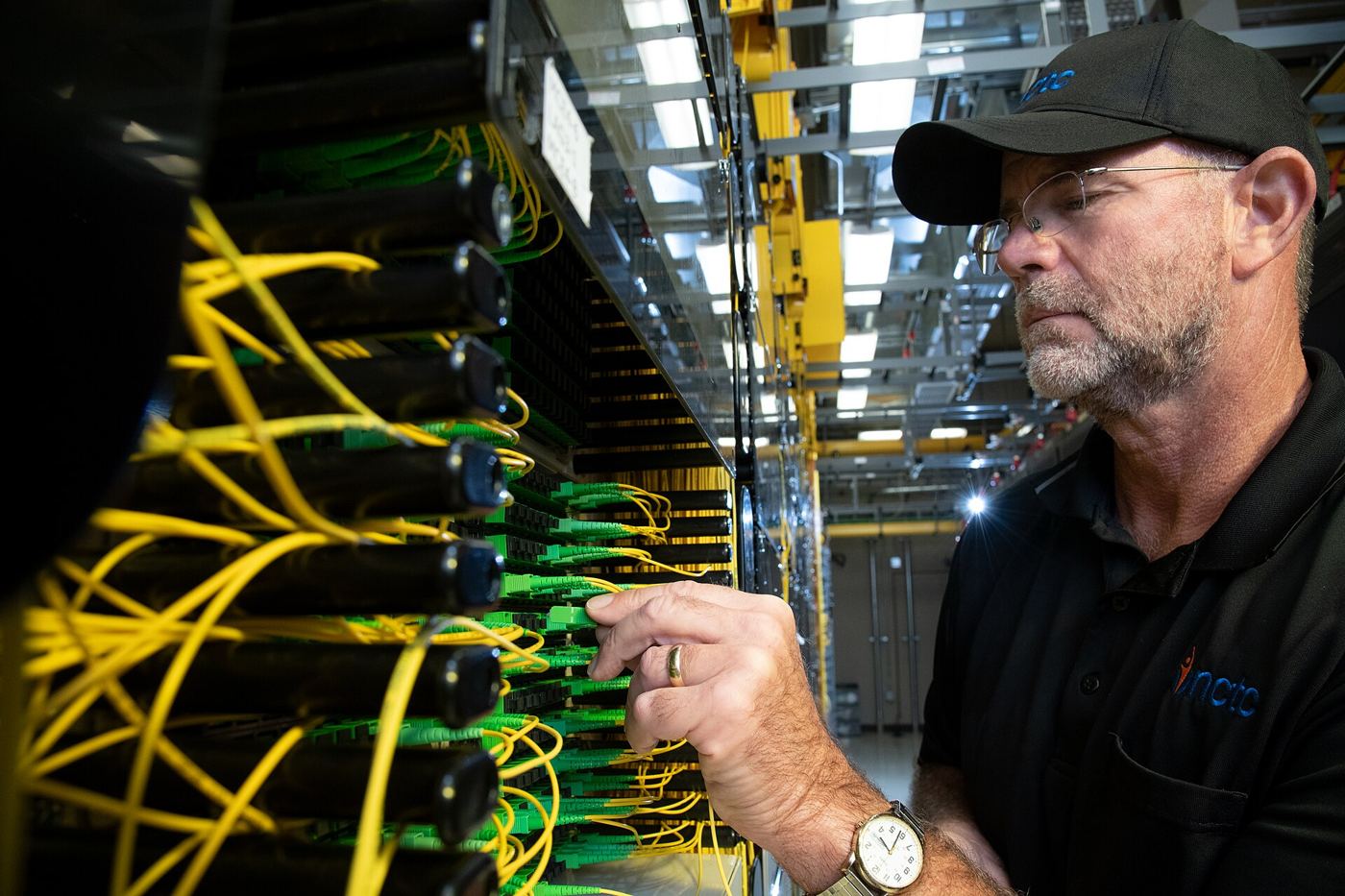
Behind every fast broadband connection is a pair of hands doing delicate work in a roadside cabinet or a muddy trench. Fiber splicing, joining hair-thin strands of glass so light passes through with minimal loss, has become one of the most sought-after skills in telecommunications as networks expand. A good splice is nearly invisible to the signal; a poor one can slow a whole street’s connection. Training providers and network builders are therefore racing to teach the craft, from cleaning and cleaving fibers to using fusion splicers that weld them with an electric arc. The work rewards patience and precision in conditions that are rarely as clean as a classroom. Colleges report growing enrolments from career changers as well as school leavers, drawn by visible local projects, steady demand and skills that transfer between network builders.
What the Evidence Shows
Experienced splicers describe the job as equal parts technique and troubleshooting. Technicians must read test traces that reveal faults metres or kilometres away, keep meticulous records of which fiber serves which property, and reseal closures against water that would degrade connections over time. Apprenticeships increasingly pair classroom learning with supervised fieldwork, because judgment about weather, access and safety cannot be learned from diagrams alone. Employers say retention matters as much as recruitment, since a trained splicer carries local network knowledge that is hard to replace. As governments fund wider fiber coverage, the limiting factor is often not cable or cabinets but people qualified to join them together properly in the field. For the trainees themselves, the appeal is tangible: finished splices can be tested on the spot, streets light up with service, and skill is visible immediately. Reporting and analysis from sources such as IEEE Spectrum track the same developments, and specialists following fiber splicing skills and training say the direction is now consistent across independent lines of evidence.
The Wider Context
Adoption of fiber splicing skills and training follows a familiar pattern with an unfamiliar speed. Early users tolerate rough edges in exchange for advantage, mainstream users arrive when the tool disappears into existing workflows, and the market consolidates around whoever made that transition feel effortless. Vendors are racing less on raw performance now than on integration, support and trust.
What Happens Next
The realistic forecast for fiber splicing skills and training is steady integration rather than sudden replacement: embedded in products people already use, improving in increments, and regulated in proportion to its reach. The companies and institutions that plan on that basis, training staff and redesigning processes instead of chasing launches, are the ones the adoption data tends to vindicate. You can follow related developments in our coverage of technology.
It is also worth remembering how quickly the picture in this area has changed before. Positions that looked settled a few years ago have been revised as new data arrived, and the same humility is appropriate now. The strongest coverage of this subject, and the most useful advice, tends to come from sources that update their views openly when the facts move, rather than defending an earlier position long after it has stopped fitting the evidence available.
