

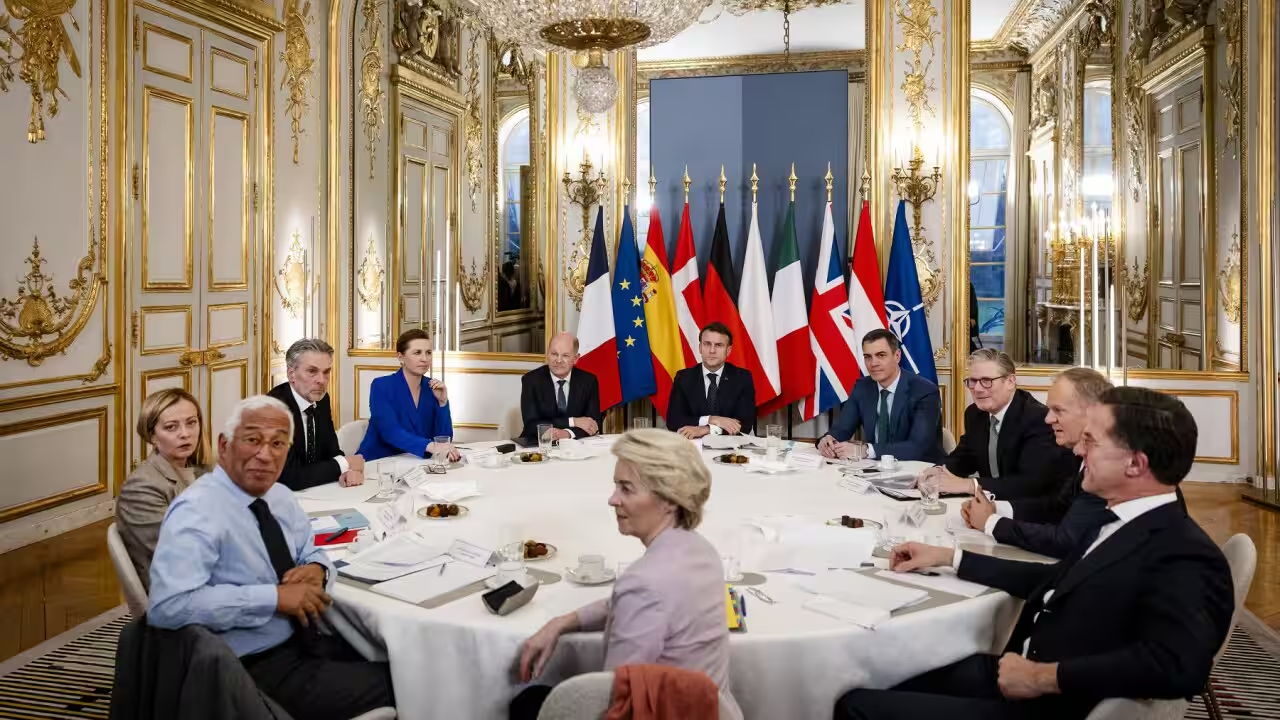
The world is witnessing a rise in urgent diplomatic activity as world leaders meet in emergency talks to address growing global tensions, economic uncertainty, and security risks. These high-level meetings often shape international relations, influence financial markets, and determine how countries respond to crises that affect millions of people. As global challenges become more interconnected, understanding what is really at stake in these discussions is more important than ever for both policymakers and the public.
Rising Global Tensions and Political Pressure
Escalating International Conflicts
One of the main reasons for emergency diplomatic meetings is the rise in international conflicts that create instability across regions. These tensions often involve territorial disputes, military positioning, and competing political interests between major powers. When conflicts escalate quickly, world leaders meet in emergency talks to prevent further deterioration and to explore peaceful solutions. The goal is usually to reduce the risk of wider confrontation that could impact global peace and security.
Diplomatic Strain Between Major Powers
Another critical issue driving urgent discussions is the growing diplomatic strain between major global powers. Differences in political ideologies, trade policies, and defense strategies often lead to breakdowns in communication. These strained relationships can affect global cooperation on climate change, security, and economic stability. Emergency talks provide a platform for reopening dialogue and reducing misunderstandings before they turn into long-term geopolitical divisions.
Pressure from Global Public Opinion
In today’s digital age, public opinion plays a powerful role in shaping political decisions. Social media and global news coverage amplify crises, increasing pressure on leaders to respond quickly. Governments are often forced to participate in emergency meetings not only to address real threats but also to manage public expectations. This growing influence of global citizens has made transparency and quick decision-making essential in international diplomacy.
Economic Stability and Global Market Concerns
Impact on Global Trade Systems
Emergency talks among world leaders often focus heavily on protecting global trade systems. When political instability rises, supply chains and international trade routes face serious disruptions. This can lead to shortages, rising prices, and economic slowdown in multiple countries. Leaders aim to stabilize trade relations and ensure that essential goods continue to move across borders without interruption.
Energy Security and Resource Management
Energy security has become a major concern in modern geopolitics. Conflicts and diplomatic tensions can affect oil, gas, and renewable energy supplies worldwide. During emergency meetings, leaders discuss strategies to secure energy resources and reduce dependency on unstable regions. These discussions are critical because energy shortages can directly impact industries, transportation, and everyday life.
Inflation and Financial Market Stability
Global financial markets react quickly to political uncertainty. Emergency talks often aim to calm investor fears and stabilize currencies, stock markets, and international investments. Inflation risks increase when supply chains are disrupted or when geopolitical tensions rise. Coordinated economic policies are often discussed to prevent long-term damage to the global economy and maintain financial confidence.
Security, Peace, and Future Global Cooperation
Preventing Military Escalation
A major focus of emergency diplomatic talks is preventing military escalation between nations. When tensions rise, even small incidents can lead to larger conflicts if not managed carefully. World leaders use these meetings to establish communication channels, propose ceasefire agreements, and reduce the chances of direct confrontation. The primary goal is to maintain global peace and avoid large-scale warfare.
Strengthening International Alliances
Emergency meetings also serve as a platform to strengthen existing alliances and build new partnerships. Countries often reassess their security commitments and defense strategies during times of crisis. Strengthening alliances helps ensure collective security and improves cooperation in areas such as intelligence sharing, disaster response, and counterterrorism efforts.
Long-Term Peacebuilding Efforts
Beyond immediate crisis management, these talks often focus on long-term peacebuilding strategies. Leaders discuss diplomatic frameworks, conflict resolution mechanisms, and international agreements that aim to prevent future crises. Sustainable peace requires ongoing cooperation, and these meetings help lay the foundation for more stable global relations.
FAQs
Why do world leaders hold emergency talks?
They are held to address urgent global issues such as conflicts, economic instability, or security threats.
What is the main goal of emergency diplomatic meetings?
The main goal is to reduce tensions, prevent escalation, and maintain global stability.
How do these meetings affect the global economy?
They help stabilize markets by reducing uncertainty and coordinating economic responses.
Are emergency talks effective in solving conflicts?
They can be effective in preventing escalation and opening communication channels, but long-term solutions require continued diplomacy.
Who participates in these global emergency meetings?
Usually heads of state, foreign ministers, and top diplomatic advisors from affected countries.
Conclusion
World leaders meet in emergency talks because global challenges today are highly interconnected and can escalate quickly across borders. These discussions play a critical role in managing political tensions, protecting economic stability, and ensuring global security. While outcomes vary depending on the situation, such meetings remain one of the most important tools for preventing conflict and maintaining international cooperation in an increasingly complex world.
