

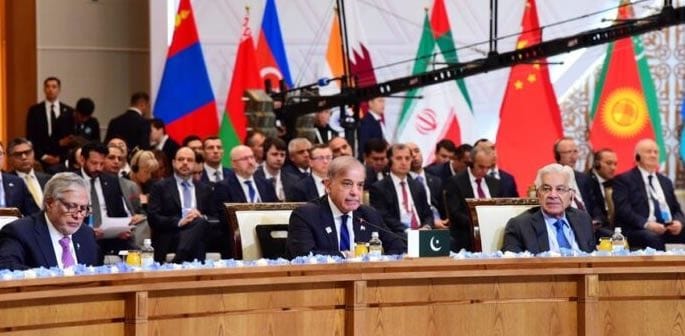
Global politics is going through major transformations as countries experience rapid shifts in leadership, economic policies, international alliances, and governance styles. These changes in world affairs are influencing not only national stability but also global cooperation, trade relationships, and security systems. In today’s interconnected world, even small political decisions in one region can create wide ripple effects across continents, making it essential to understand how political changes are reshaping countries and redefining global order.
Changing Global Leadership and Political Directions
Shift Toward New Political Ideologies
Across many countries, political leadership is shifting toward new ideologies that reflect changing public demands. Governments are increasingly focusing on issues such as economic equality, digital transformation, climate policies, and national security. These ideological shifts are shaping new policies that directly impact citizens’ daily lives. As leadership changes, countries often experience policy restructuring, which can either strengthen governance or create uncertainty during transition periods.
Rise of Youth-Inspired Political Movements
A noticeable trend in world affairs is the growing influence of young voters and youth-led political movements. Younger generations are demanding transparency, accountability, and technological progress in governance. This shift is forcing traditional political parties to adapt their strategies. In many regions, youth participation is reshaping election outcomes and bringing fresh perspectives into political systems, making governance more dynamic and responsive.
Impact of Leadership Transitions on Stability
Leadership transitions often bring both opportunities and challenges for countries. While new governments can introduce reforms and innovation, they may also face resistance from established institutions. During such periods, political stability can fluctuate, affecting economic performance and international relations. However, smooth democratic transitions generally strengthen national institutions and improve long-term governance outcomes.
Global Alliances and International Relations Restructuring
Formation of New Strategic Partnerships
Countries are actively forming new alliances to strengthen economic and security interests. These partnerships are often driven by shared regional concerns, trade benefits, and geopolitical strategies. In world affairs, such alliances help nations increase their global influence while ensuring mutual support in times of crisis. The evolving nature of these partnerships is reshaping traditional power structures.
Changing Dynamics in Global Trade Relations
International trade relationships are undergoing significant transformation due to political changes and economic competition. Nations are revising trade agreements to protect domestic industries while expanding global market access. This shift is creating both opportunities and challenges for developing economies, as they must adapt to new trade rules and global standards.
Diplomatic Shifts and Regional Cooperation
Diplomatic relations between countries are becoming more flexible and issue-based rather than permanently fixed. Countries are cooperating on specific global challenges such as climate change, migration, and security threats. This approach is improving regional collaboration, although tensions still exist in areas with historical conflicts or political disagreements.
Economic and Social Impact of Political Changes
Policy Reforms and Economic Adjustments
Political changes often lead to new economic policies aimed at improving growth and stability. Governments introduce reforms in taxation, investment, and public spending to strengthen national economies. These adjustments can boost development but may also create short-term uncertainty for businesses and investors.
Social Reactions to Political Transformations
Citizens play a crucial role in shaping political landscapes through protests, public debates, and social movements. Social reactions to political changes often reflect public concerns about governance, equality, and future opportunities. In many countries, these movements are influencing policy decisions and encouraging governments to adopt more inclusive approaches.
Technology’s Role in Political Awareness
Digital platforms and social media have transformed how people engage with politics. Information spreads quickly, allowing citizens to stay informed about global events in real time. However, misinformation remains a challenge, requiring stronger digital literacy and media awareness. Despite challenges, technology is making political systems more transparent and interactive.
Geopolitical Challenges and Future Uncertainty
Rising Global Conflicts and Tensions
Some regions continue to face geopolitical tensions due to territorial disputes, resource competition, and political disagreements. These conflicts affect global stability and require diplomatic efforts to prevent escalation. International organizations play a key role in mediating disputes and maintaining peace.
Climate Policy and Global Responsibility
Climate change has become a major factor in global politics. Countries are now expected to adopt environmentally responsible policies and reduce carbon emissions. Political cooperation on climate issues is shaping new global agreements and influencing national development strategies.
Security Concerns in a Changing World
National security strategies are evolving due to new threats such as cyberattacks, terrorism, and digital warfare. Governments are investing in advanced defense systems and intelligence networks. These developments highlight the importance of adapting security frameworks to modern global risks.
FAQs
What are political changes in world affairs?
Political changes refer to shifts in leadership, policies, alliances, and governance systems that impact countries and global relations.
How do political changes affect economies?
They influence trade, investment, taxation, and overall economic stability, sometimes creating growth or short-term uncertainty.
Why are global alliances changing?
Countries form new alliances to strengthen economic ties, security cooperation, and regional influence.
How does technology impact politics?
Technology increases political awareness, improves communication, and helps citizens stay informed, but also spreads misinformation.
What is the future of global politics?
The future is likely to be more interconnected, with stronger focus on cooperation, climate action, and digital governance.
Conclusion
Political changes across the world are reshaping how countries operate, interact, and grow in today’s global system. From leadership transitions to new alliances and economic reforms, these shifts are creating both opportunities and challenges for nations. As world affairs continue to evolve, adaptability, cooperation, and informed decision-making will remain essential for global stability and progress.
